S&PAA and Clark University explore game-based solutions to reduce isolation in schizophrenia and rebuild connection, skills, and real-world outcomes.
ALEXANDRIA, VA, UNITED STATES, March 23, 2026 /EINPresswire.com/ — FOR IMMEDIATE RELEASE
Alexandria, VA — What if one of the most damaging aspects of schizophrenia isn’t a symptom at all, but the crippling impact of social isolation—often unfolding in plain sight? But what if there were a transitional way to rebuild social skills and form real connections—one that can help translate those gains into friendships, employment, and a path toward rebuilding and transforming daily life?
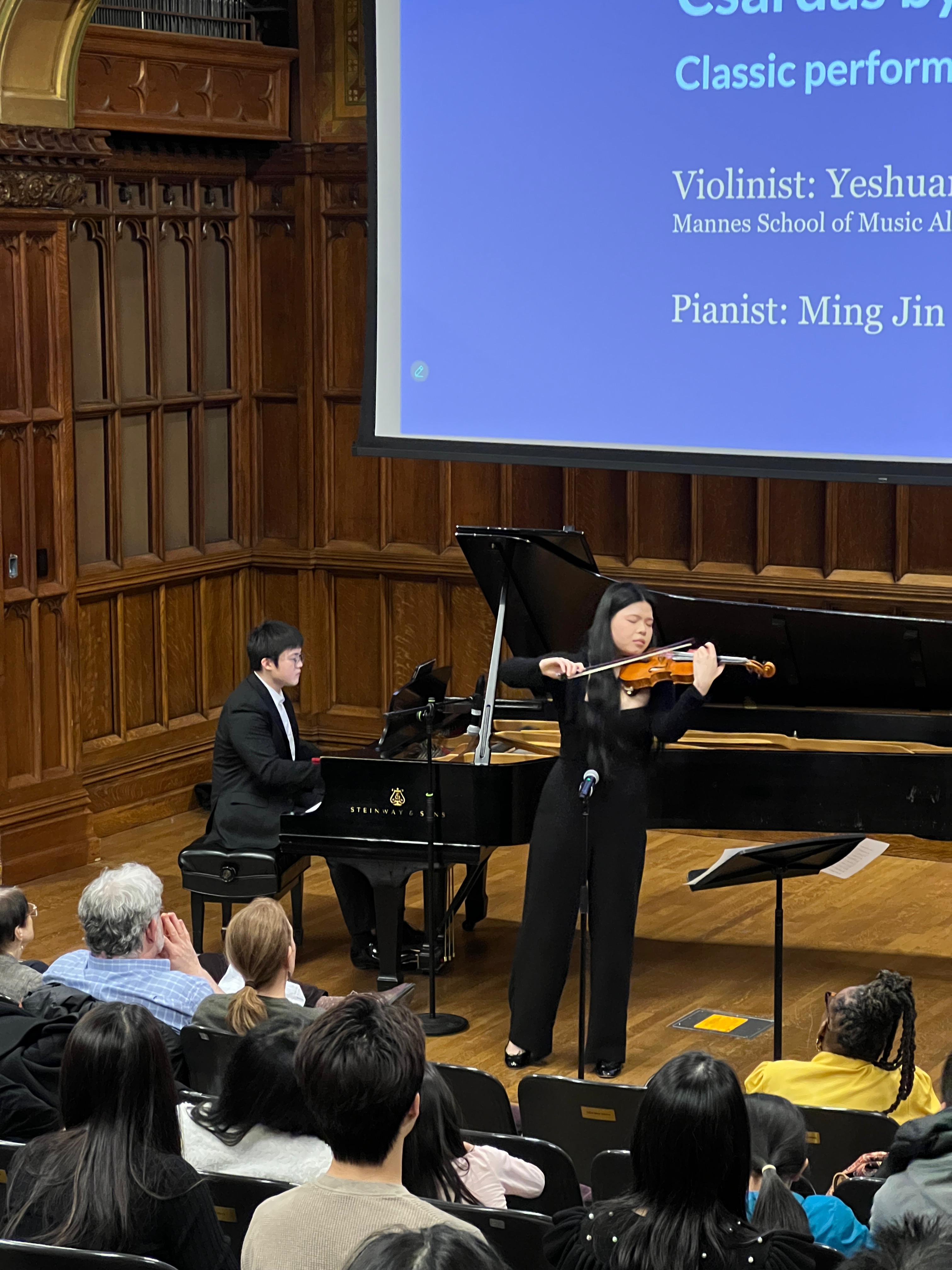
On March 17, 2026, the Schizophrenia & Psychosis Action Alliance (S&PAA) brought that challenge into focus at Clark University’s Becker School of Design & Technology, partnering with students to explore how game-based approaches can help rebuild connection, communication, and a sense of belonging for people living with schizophrenia and psychosis.
A growing movement in mental health is challenging a long-standing gap in care: how to meaningfully address social isolation, which is fueled by stigma, misunderstanding of psychosis, disrupted education and employment, and the gradual erosion of social confidence and opportunity. The consequences are profound, shaping recovery, relationships, and long-term outcomes as much as any clinical symptom. Game-based environments offer a promising entry point—creating low-pressure, remote spaces where individuals can begin to reconnect, practice communication and collaboration, and build skills that translate into real-world relationships, employment, and lasting social connection.
In a live class session led by S&PAA team members Krissa Rouse, Priya Chirayil, and Davy Yue, students were introduced to a new way of thinking about recovery—one that centers not only on symptom management, but on restoring social connection and a sense of “mattering,” or feeling valued, seen, and significant to others.
The session combined lived experience of serious mental illness, evidence-based research, and game design. Yue, S&PAA’s Care Coordinator with lived experience of psychosis, shared how gaming environments helped him rebuild social skills and re-engage with others during periods of isolation.
“Social isolation and loneliness are some of the hardest parts of living with schizophrenia,” said Yue. “We’re working to sustainably improve daily life for peers and caregivers by exploring how game-based tools can strengthen connection, build confidence, and foster a sense of belonging and mattering—bringing together lived expertise, clinical insight, and research.”
The S&PAA team then guided students through how multiplayer and cooperative games naturally foster communication, collaboration, conflict resolution, and role navigation—skills that can translate into real-world relationships when intentionally designed.
Students participated in hands-on exercises analyzing how different game types shape communication and social interaction and began developing early concepts for digital tools that could support connection and recovery.
“It was an emotional experience to look out at those young faces—about the same age as my son when he was first overtaken,” said Jim Cicero, Clark graduate and S&PAA volunteer. “At that time, we didn’t understand what his condition meant or what lay ahead. That uncertainty—feeling alone, lost, and uninformed—led me to volunteer and advocate, because it doesn’t have to be that way. With greater awareness and education, we can reach people earlier and support those who may be at risk.”
Over the coming weeks, student teams will prototype and test game-based solutions, with ongoing input from S&PAA and faculty, culminating in live demonstrations and final concepts for real-world application.
“As a board member of both Clark University and S&PAA, and as a Clark graduate, it’s especially meaningful to see this partnership come to life,” said Gary Labovich. “Clark students are being challenged to apply their creativity and technical skills to one of the most urgent and human challenges in mental health—reducing isolation and helping people create social connections.”
Insights from the March 17 session and subsequent student work will inform a forthcoming S&PAA Solutions Series session, Digital Tools to Reduce Isolation in Schizophrenia, planned for Fall 2026. The session will convene leaders across healthcare, research, technology, and lived experience to examine how digital innovation can be translated into scalable, real-world solutions.
S&PAA’s Solutions Series brings together cross-sector leaders to develop actionable strategies that address critical challenges in schizophrenia and psychosis. This collaboration with Clark University reflects a broader effort to explore new, non-traditional approaches that extend beyond clinical care to address the social dimensions of recovery.
For more information about the Solutions Series, visit https://sczaction.org/solutions-series-2026/
About the Schizophrenia & Psychosis Action Alliance
The Schizophrenia & Psychosis Action Alliance (S&PAA) is a national nonprofit organization dedicated to improving the lives of people affected by schizophrenia and related psychotic disorders through education, support, advocacy, and research.
About Clark University’s Becker School of Design & Technology
The Becker School of Design & Technology at Clark University is a nationally recognized leader in game design, interactive media, and emerging technologies. Through an interdisciplinary, hands-on approach, Becker prepares students to apply design and technology to real-world challenges, including health, education, and social impact.
Media Contact
Erica Tingler
Director of Communications
Schizophrenia & Psychosis Action Alliance (S&PAA)
erica.tingler@sczaction.org
(330) 697-3905
Erica Tingler
Schizophrenia & Psychosis Action Alliance
+1 330-697-3905
email us here
Visit us on social media:
LinkedIn
Instagram
Facebook
YouTube
X
Legal Disclaimer:
EIN Presswire provides this news content “as is” without warranty of any kind. We do not accept any responsibility or liability
for the accuracy, content, images, videos, licenses, completeness, legality, or reliability of the information contained in this
article. If you have any complaints or copyright issues related to this article, kindly contact the author above.